
Rehabilitation
Why measure strength during rehabilitation?
Objective testing adds repeatable numbers to the symptoms, movements and goals discussed in the room.
A baseline makes change visible
People can feel better before strength has fully returned, or feel uncertain despite making measurable progress. A baseline provides a starting point that can be repeated under similar conditions.
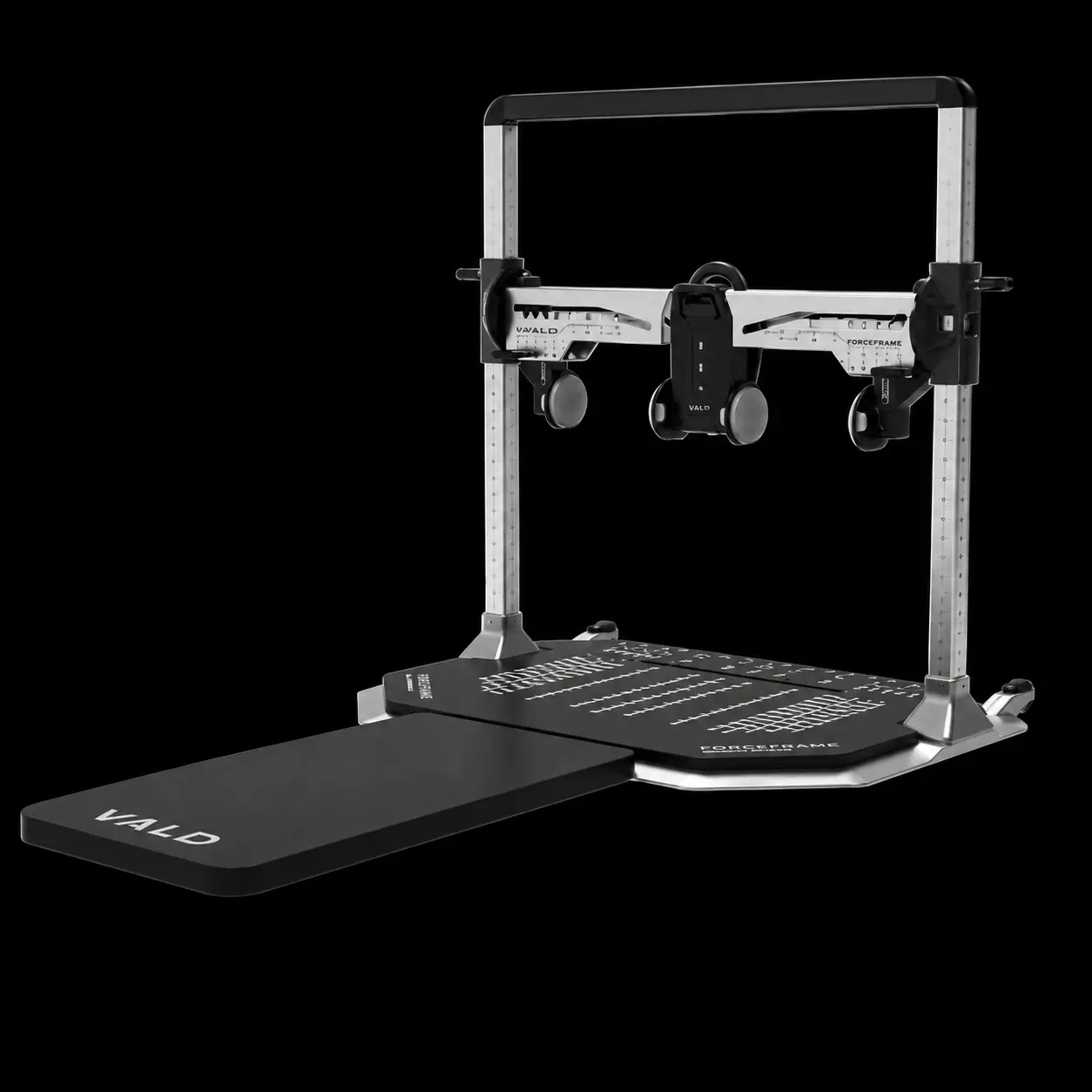
VALD ForceFrame testing measures force in controlled positions. It can help compare relevant muscle groups, sides and testing dates when those comparisons answer a useful rehabilitation question.
Numbers guide, rather than dictate
No single number decides whether someone is ready to return to work, running or sport. Pain, confidence, movement, training exposure and the demands of the activity still matter.
Objective data reduces guesswork. It does not remove clinical judgement or the patient’s own experience from the decision.
Test what matters
A useful test should relate to the task ahead. The measures selected for an everyday walking goal may differ from those used for cutting, jumping or contact sport.
Repeat testing then helps determine whether the programme is building the capacity that the person actually needs.
This article provides general education only. It cannot account for your health history, examination or individual circumstances. Seek appropriate professional advice if you are concerned about symptoms.